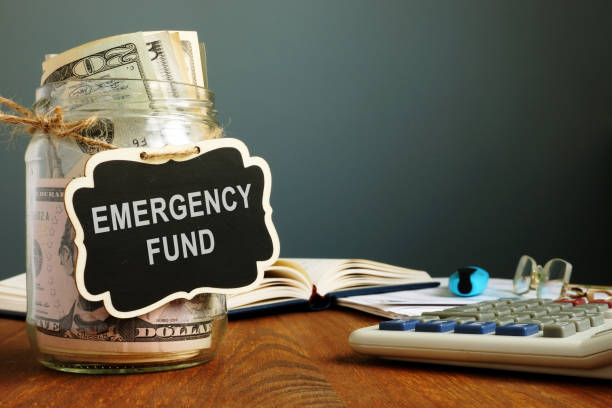
Life is unpredictable. A medical emergency, sudden job loss, or an unexpected home repair can derail your finances in an instant. That’s where an emergency fund comes in — a financial cushion that protects you during times of crisis. In India, where most families don’t have comprehensive insurance or unemployment benefits, having an emergency fund is not just a good idea; it’s a necessity.
________________________________________
What Is an Emergency Fund?
An emergency fund is a separate savings account or liquid investment set aside to cover urgent and unplanned expenses. Unlike long-term investments or retirement savings, this fund is meant to be easily accessible and risk-free.
________________________________________
Why Do You Need an Emergency Fund in India?
1. Rising Healthcare Costs:
Despite the popularity of health insurance, out-of-pocket expenses for treatment in India are still high. One hospitalization can cost lakhs — especially in metros like Delhi, Mumbai, or Bengaluru.
2. Job Insecurity:
Whether you’re in IT, manufacturing, or even government contracts, no job is completely safe. Layoffs, economic downturns, or industry disruptions can leave you without income for months.
3. Natural Disasters & Family Emergencies:
India is prone to floods, cyclones, and other natural calamities. Unexpected travel for family emergencies is also common.
4. Avoiding Debt:
Without an emergency fund, people often rely on high-interest loans or credit cards, pushing them into a debt spiral.
________________________________________
How Much Should You Save?
A general rule of thumb is to save 3 to 6 months of your monthly expenses. For example, if your monthly expense is ₹40,000, aim for a fund of ₹1.2 lakh to ₹2.4 lakh. For those with dependents or unstable income (like freelancers or business owners), saving up to 12 months’ worth is advisable.
________________________________________
Steps to Build an Emergency Fund in India
1. Assess Your Monthly Expenses:
Calculate your core monthly needs: rent, utilities, groceries, transport, EMI, and basic medical costs. This gives you a base number to multiply.
2. Set a Realistic Goal:
If ₹2 lakh sounds daunting, start with a goal of ₹20,000. The key is to begin.
3. Create a Separate Savings Account:
Open a dedicated savings account or a liquid mutual fund account solely for emergencies. Avoid mixing it with regular savings.
4. Start with Small, Regular Contributions:
Start with as little as ₹1,000 a month. Automate your savings using a standing instruction from your salary account.
5. Use Windfalls Wisely:
Received a Diwali bonus or tax refund? Direct at least a portion of it to your emergency fund.
6. Track and Reassess Periodically:
Re-evaluate your fund every 6-12 months to account for lifestyle changes, inflation, or increased responsibilities.
________________________________________
Where to Keep Your Emergency Fund?
Your emergency fund should be:
• Safe
• Liquid
• Easily accessible
Here are some popular options in India:
• Savings Account: Ideal for immediate needs. Choose a high-interest savings account for better returns.
• Liquid Mutual Funds: Offer higher returns than savings accounts and are redeemable within 24 hours.
• Sweep-in Fixed Deposits: Combine the benefits of FDs and liquidity.
Avoid locking this money in long-term instruments like PPF, EPF, or stocks, which may not be easily accessible in a crisis.
________________________________________
Emergency Fund vs. Other Savings
Many people confuse emergency funds with general savings or insurance. Here’s how they differ:
Type Purpose Accessibility
Emergency Fund For unexpected expenses Immediate
Insurance For specific risks like health, death, theft Claim-based
General Savings For planned purchases or goals Varies
Remember, your emergency fund is not for vacations, gadgets, or weddings.
________________________________________
Common Mistakes to Avoid
1. Not Starting at All:
The perfect moment rarely comes. Begin with what you can — even ₹500 a week matters.
2. Dipping Into It for Non-Emergencies:
A new phone or holiday is not an emergency. Stay disciplined.
3. Not Reviewing Your Needs:
A growing family, inflation, or rising expenses should reflect in your fund size.
4. Keeping It All in Cash:
Cash is handy, but storing lakhs at home is unsafe. Use a mix of bank accounts and digital options.
________________________________________
Real-Life Example
Take the example of Priya, a 34-year-old marketing professional in Pune. When the COVID-19 lockdown hit, she was furloughed for four months. Thanks to her emergency fund of ₹1.5 lakh, she managed to cover her rent, groceries, and basic needs without taking a loan or asking family for help. Once her job resumed, she slowly rebuilt the fund. Her story is a reminder that financial security brings peace of mind.
________________________________________
Final Thoughts
In a country where even a single medical emergency can wipe out years of savings, an emergency fund is your first line of defense. It’s not about how much you earn — it’s about how well you prepare.
Start today. Build gradually. And sleep peacefully knowing you’re financially secure, come what may.